What to know about Westminster council garden waste rules
Posted on 05/11/2026
If you garden in Westminster, garden waste can feel oddly complicated for something as simple as a pile of clippings. One week it is a few bags of lawn cuttings, the next it is hedge trimmings, soil, and a branch that suddenly seems far too big for the bin. So, what to know about Westminster council garden waste rules? In plain English: how your green waste should be sorted, stored, collected, and kept compliant so you avoid missed collections, contamination problems, and unnecessary hassle.
This guide breaks it down clearly. We will look at how the system generally works, what usually counts as garden waste, the mistakes that trip people up, and the practical steps that make life easier. It is written for homeowners, tenants, landlords, gardeners, and anyone trying to keep a Westminster garden tidy without making a mess of the waste side of things. Let's face it, the garden is the fun part. The rubbish bit, not so much.
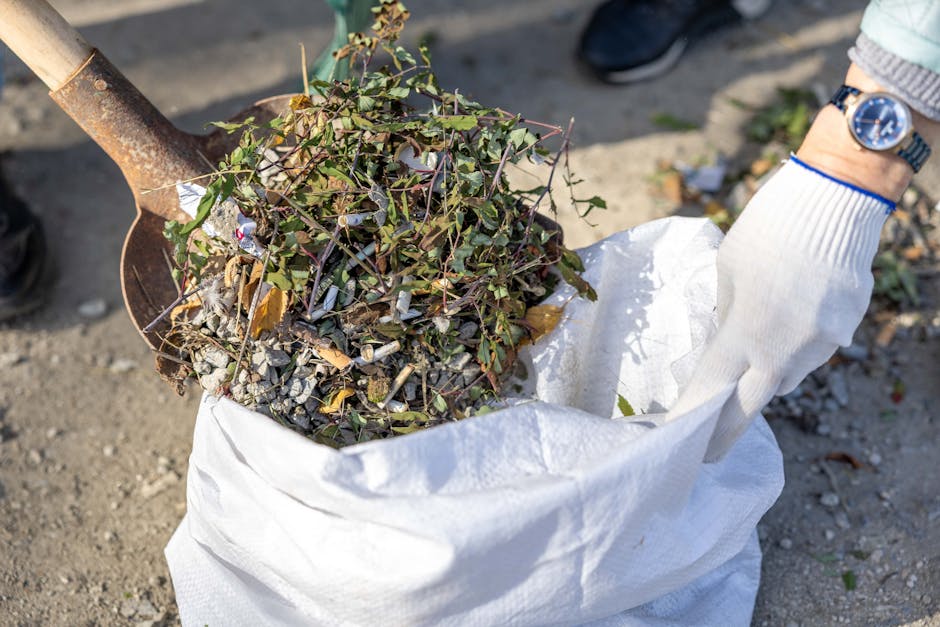
Why Westminster council garden waste rules matter
Garden waste rules matter because they affect more than just whether a bag gets collected. They shape how you maintain your outdoor space, how clean your kerbside looks, and how much time you spend correcting simple avoidable errors. In a dense London borough, waste that is not presented properly can quickly become a nuisance. A bag split open on the pavement, a bundle of thorny cuttings placed out wrongly, or a bin full of mixed rubbish can cause delays and complaints. Nobody wants that.
There is also a bigger practical point. Councils usually separate garden waste from general household waste for good reason: green waste can often be composted or processed more efficiently when it is kept clean. That means grass, leaves, and pruning waste need to be handled with a bit of care. If you know the rules early, you save yourself repeated sorting, extra storage, and that last-minute panic when the collection day comes around and the bin is, well, not quite right.
For people who already keep a tidy garden, the rules can actually make maintenance easier. A clear disposal routine means you can prune hedges, mow, and tidy borders with confidence instead of wondering where everything is going to end up. If you are also trying to make your garden healthier overall, it pairs nicely with organic methods and thoughtful soil care, like the approach discussed in our guide to making a garden more organic.
How Westminster garden waste collection works
The exact setup can change over time, so the safest habit is always to check the current local arrangement before placing anything out. That said, the system usually follows a few familiar principles. Garden waste is generally collected separately from household rubbish. It should normally be kept free from contamination, and it may need to be presented in a specific container, sack, or bin depending on the collection method available to your property.
In practical terms, this usually means you need to think in categories. Grass clippings are one thing. Soil and stones are another. Branches, hedge trimmings, and dead plants may be accepted differently, especially if they are bulky or woody. Some materials are typically fine in garden waste collections, while others should not be mixed in because they disrupt processing or create safety issues.
Here is the simple version:
- Keep garden waste separate from general waste and recycling.
- Do not overfill containers if lids must close or sacks must be manageable.
- Avoid mixing in plastics, plant pots, compost bags, rubble, or food waste unless the instructions clearly allow it.
- Trim or bundle larger material so it can be handled safely.
One thing people often underestimate is moisture. Fresh grass is heavy. Wet leaves are heavier. After a rainy spell, especially one of those grey London mornings where everything feels damp by 8 a.m., a small heap can turn into a back-straining lift. That matters if you are moving waste to a collection point yourself.
If your garden tends to produce a lot of seasonal cuttings, it can help to plan around the work itself. Winter pruning, for example, often creates a very different waste stream from summer mowing. For more seasonal context, you may also find our winter garden advice useful when you are deciding what to cut back and when.
Key benefits and practical advantages
Following the garden waste rules is not just about avoiding a grumble from the council. It actually has a few real advantages.
- Cleaner outdoor spaces: Regular, proper disposal keeps borders, lawns, and patios looking cared for.
- Fewer missed collections: If waste is presented correctly, you reduce the chance of it being left behind.
- Better garden hygiene: Removing diseased clippings, dead leaves, and excess debris can help prevent pests and fungal issues.
- Safer access: A tidy collection point is easier for residents, neighbours, and crews to navigate.
- More efficient garden work: When waste disposal is simple, pruning and mowing become less of a chore.
There is also a quieter benefit: less clutter makes you more likely to keep up with regular maintenance. A garden that looks manageable gets maintained. A garden that looks like a storage yard tends to get avoided. Strange but true.
For larger or more involved projects, the rules can also help you decide whether a task is just a weekend tidy-up or something that might be better handled as part of a wider maintenance plan. That is especially relevant if the job includes hedge cutting, bed clearance, or tree work, where waste volumes can rise quickly. In those cases, a well-planned approach matters more than brute force.
Who this is for and when it makes sense
This topic is relevant to a lot of people, not just keen gardeners. If you have even a small patch of outdoor space in Westminster, the rules can affect you.
- Homeowners: Useful if you manage your own lawn, hedges, borders, or containers.
- Tenants: Helps avoid disputes over who is responsible for outdoor waste.
- Landlords and property managers: Important for keeping shared outdoor areas tidy and compliant.
- Gardeners and maintenance teams: Essential for planning work efficiently and avoiding repeat visits.
- Busy households: Handy if garden waste has a habit of building up during spring and summer.
It makes sense to pay attention when you are doing any of the following:
- Seasonal pruning
- Lawn renovation
- Clearing a neglected garden
- Cutting back hedges or shrubs
- Removing dead planting after frost or wind damage
- Preparing a property for sale or letting
If the garden is small, the waste volume may be manageable with simple routine sorting. If the garden is larger, or if you have a lot of woody growth, you may need a more structured disposal plan. For inspiration on managing different kinds of planting and space, container gardening tips can be surprisingly useful when space is tight, and hedge ideas for privacy can help you plan future planting with maintenance in mind.
Step-by-step guidance
If you want a no-drama way to stay on top of garden waste, this is the practical sequence we would suggest.
- Sort the waste by type. Separate soft green waste, woody cuttings, and anything that clearly does not belong, such as plastic ties, old pots, or general household rubbish.
- Check what the collection accepts. Some items are usually fine, while heavier or mixed materials may not be. Do not assume a pile is acceptable just because it came from the garden.
- Reduce volume before disposal. Cut long branches down, shake soil off roots, and compress loose leaves if safe to do so.
- Use the right container. Whether it is a bin, sack, or another approved format, keep it manageable and closed properly where required.
- Put it out at the correct time. Timing matters in busy streets. Early placement can create obstructions, while late placement can mean a missed round.
- Keep the collection point tidy. Loose debris around the bin area often causes the most irritation, especially in shared buildings.
- Review what was left behind. If something was rejected, identify why before the next collection.
A useful little habit is to keep a small "green waste staging area" in the garden. Nothing fancy. Just a corner where you can pile cuttings neatly before collection day. It saves repeated lifting and stops you from wandering around with an armful of hedge clippings wondering where to dump them for the third time. Been there, regrettably.
If you are dealing with overgrown borders or a more neglected space, it may help to combine waste sorting with a broader reset. Our article on transforming neglected gardens fits neatly with that kind of project, especially where the waste starts to pile up quickly.
Expert tips for better results
Here are the small things that tend to make the biggest difference.
Work with the garden's growth cycle
Most garden waste comes in waves. Spring clearance, summer mowing, autumn leaf fall, and winter pruning all create different demands. If you line up your maintenance with those cycles, you are less likely to end up overloaded.
Do not let wet waste sit too long
Wet clippings and leaves go heavy, smelly, and unpleasant more quickly than people expect. If you can store them briefly in a dry, ventilated place before collection, do it. Just keep them tidy and safe.
Think about the next use before you throw it away
Some organic material can be reused in the garden rather than sent out immediately. Small prunings, healthy leaves, and other clean green waste may be suitable for composting or soil improvement. There is a good practical angle to this, and it is explored nicely in our piece on turning waste into rich soil.
Keep a simple waste log if your garden is busy
This sounds a bit formal, but it helps. If you maintain a bigger property or manage several outdoor spaces, note what kind of waste appears after each job. Within a few weeks, patterns become obvious, and planning gets easier.
Use pruning decisions to reduce disposal problems
Smart planting and pruning reduce the amount of unusable waste. A hedge kept in shape is easier to manage than one that grows into a yearly monster. If hedges are a big part of your garden, our advice on hedge trimming techniques can help keep future waste under control.
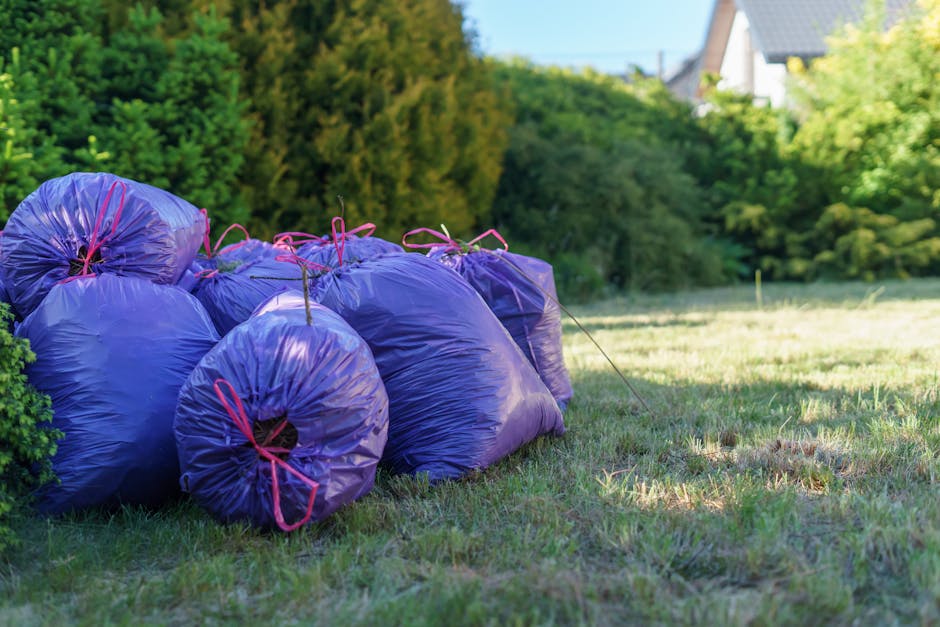
Common mistakes to avoid
People usually run into trouble in the same few ways. The good news? They are avoidable.
- Mixing rubbish with garden waste. This is the big one. Even a few plastic ties or bits of packaging can be enough to spoil a load.
- Overfilling containers. If the lid will not close or the sack becomes unmanageable, it may not be accepted.
- Leaving out prohibited materials. Soil, rubble, timber, treated wood, and household items often create problems.
- Ignoring wet-weather weight. Damp waste can be far heavier than expected.
- Forgetting shared-property rules. In flats or managed homes, your building may have its own arrangements on top of council guidance.
- Waiting until the last minute. This usually leads to rushed sorting and accidental contamination.
A subtle mistake is assuming all green material is the same. It is not. A soft pile of grass cuttings behaves very differently from thick woody hedge trimmings or root-heavy clumps. If you plan your clearance around the material type, everything feels less chaotic.
And yes, sometimes the hardest part is simply not mixing the "I'll deal with it later" bag with the proper waste. That bag is a trap.
Tools, resources and recommendations
You do not need fancy equipment, but a few practical tools make compliance much easier.
- Lightweight garden sacks or approved containers: Useful for separating different waste streams as you work.
- Secateurs and loppers: These help reduce bulky branches before disposal.
- Rake or leaf collector: Great for gathering fine debris without leaving a trail behind you.
- Gloves and sturdy footwear: Important when waste includes thorny stems, damp debris, or hidden glass from a badly neglected corner.
- Wheelbarrow or garden trug: Handy for moving waste to a staging point with less lifting strain.
For broader gardening support, a well-rounded approach helps. If your current maintenance routine feels behind, basic gardening guidelines can keep things simple. If you are trying to make a garden easier to live with, low-maintenance project ideas may reduce future waste before it even starts.
If you are weighing professional help, look for a service that understands both garden maintenance and practical waste handling. Not every job needs that, of course, but for bigger clearances it can save time, stress, and repeated trips.
Law, compliance, standards, or best practice
Garden waste handling sits within a wider set of local waste management expectations. The key idea is straightforward: keep garden waste separate, present it in the right way, and avoid contamination. Councils generally want recyclable or compostable material kept as clean as possible so it can be processed efficiently. That is the principle to keep in mind, even if the exact collection method changes.
Best practice in a Westminster setting usually means:
- Checking current collection arrangements before major pruning or clearance
- Avoiding mixed loads
- Keeping access routes clear for collection
- Using safe lifting and storage methods
- Respecting shared property rules and neighbour access
There is also a duty of care mindset here, even in a simple domestic setting. If waste is sharp, heavy, slippery, or awkward, it should be handled safely. If you are unsure whether an item is acceptable, treat uncertainty as a sign to check first rather than guess. Guessing is how people end up with rejected waste and a mildly embarrassing pile on the pavement.
For projects involving major pruning or tree-related work, safety and disposal standards matter even more. That is one reason many homeowners choose to review insurance and safety guidance and the site's health and safety policy before booking larger garden jobs.
Options, methods, or comparison table
Different households handle garden waste in different ways. Here is a simple comparison of the most common approaches.
| Method | Best for | Pros | Watch-outs |
|---|---|---|---|
| Separate council garden waste collection | Routine clippings, leaves, and light pruning | Convenient, usually straightforward, keeps waste streams clean | Must follow presentation rules carefully |
| Home composting | Healthy green waste and garden-friendly organic material | Reduces waste, improves soil, saves disposal trips | Not ideal for diseased material, woody bulk, or contaminated waste |
| Professional garden clearance | Large cutbacks, overgrown gardens, or one-off jobs | Saves time, handles bulky waste, less physical effort | May cost more and should be planned around access and disposal |
| Reuse as mulch or soil improver | Leaves, shredded prunings, and clean plant material | Supports the garden's ecosystem and reduces waste | Needs care to avoid pests or disease transfer |
In a small garden, home composting plus a regular council collection can be enough. In a more demanding space, especially one with hedges, climbers, or heavy seasonal pruning, a mixed approach often works best. If the outdoor space has become cluttered or uneven, a broader tidy-up plan may be more effective than trying to solve each waste pile individually.
Case study or real-world example
Imagine a Westminster townhouse garden after a wet spring. The lawn has grown quickly, the hedge is spilling into the path, and the border has a mixture of leaves, dead stems, and a few old plant ties that were meant to be removed ages ago. The owner starts with good intentions, but by Saturday afternoon there is a messy pile, a half-full bag, and a bin that is already too heavy.
What changes the outcome is not more effort. It is better sorting. The hedge cuttings are trimmed down first. The leaves are raked separately. The plant ties are removed before anything goes into the waste container. The heavy wet debris is left to drain a bit before lifting. The result is simple: less mess, easier handling, and a collection that is much more likely to go through without issue.
That sort of approach also supports the garden itself. Once waste is removed properly, you can see problems more clearly: compacted soil, bare patches, weak growth, or blocked drains. In other words, the waste plan is often the start of the real garden plan.
Practical checklist
Use this before your next garden tidy-up.
- Have I checked the current Westminster collection arrangement?
- Have I separated garden waste from general rubbish?
- Have I removed plastic ties, labels, pots, and packaging?
- Are my clippings cut down to a manageable size?
- Is the waste container not overfilled?
- Have I avoided mixing in soil, rubble, or other non-garden materials?
- Is the waste dry enough to handle safely?
- Have I placed it out at the correct time?
- Do I know what to do if the waste is rejected?
- Have I considered composting or reuse for any clean organic material?
If you can tick most of those off, you are in good shape. If not, no panic. A five-minute sort-out now usually saves a lot more time later.
Conclusion
Understanding Westminster council garden waste rules is really about making garden care easier, tidier, and less stressful. When you know what belongs in the green waste stream, how to present it, and what to avoid, the whole job becomes simpler. You stop guessing, you reduce missed collections, and you keep the garden looking cared for rather than chaotic.
The best approach is steady and practical: sort properly, keep an eye on seasonal waste, and plan disposal as part of the gardening routine rather than as an afterthought. That way, the garden work feels lighter and more manageable, which is exactly what most people need in a busy part of London.
Get a free quote today and see how much you can save.
If your garden needs more than a quick tidy, or you want help keeping waste under control as part of ongoing upkeep, a professional maintenance approach can make life noticeably easier. And honestly, that little bit of calm after a proper clear-up is worth a lot.

Dakota's mastery in gardening allows her to author useful articles on landscaping, lawn care, and garden maintenance, playing a pivotal role in helping numerous individuals enjoy their dream gardens.