Victoria Station garden maintenance guide courtyards and planters
Posted on 20/10/2026
Victoria Station Garden Maintenance Guide for Courtyards and Planters
If you manage a courtyard or planter display near Victoria Station, you already know the brief: it has to look polished, stay healthy in a compact space, and cope with a lot of foot traffic, shade, shelter, and the odd gust that sneaks between buildings. A good Victoria Station garden maintenance guide courtyards and planters is not about making things fussy. It is about keeping small urban green spaces neat, resilient, and easy to enjoy, week after week.
Whether the space belongs to a home, office, hospitality venue, or managed property, the same challenge usually comes up. How do you stop planters drying out, courtyards looking tired, or planting schemes becoming cluttered and underwhelming? This guide walks through the practical side of it: how courtyard and planter maintenance works, what really matters, where people go wrong, and how to keep the whole thing looking intentional without turning it into a full-time job.
You will also find a clear checklist, a useful comparison table, and a realistic step-by-step approach you can apply straight away. No fluff. Just the kind of garden care that holds up in a busy London setting.
Why Victoria Station garden maintenance guide courtyards and planters Matters
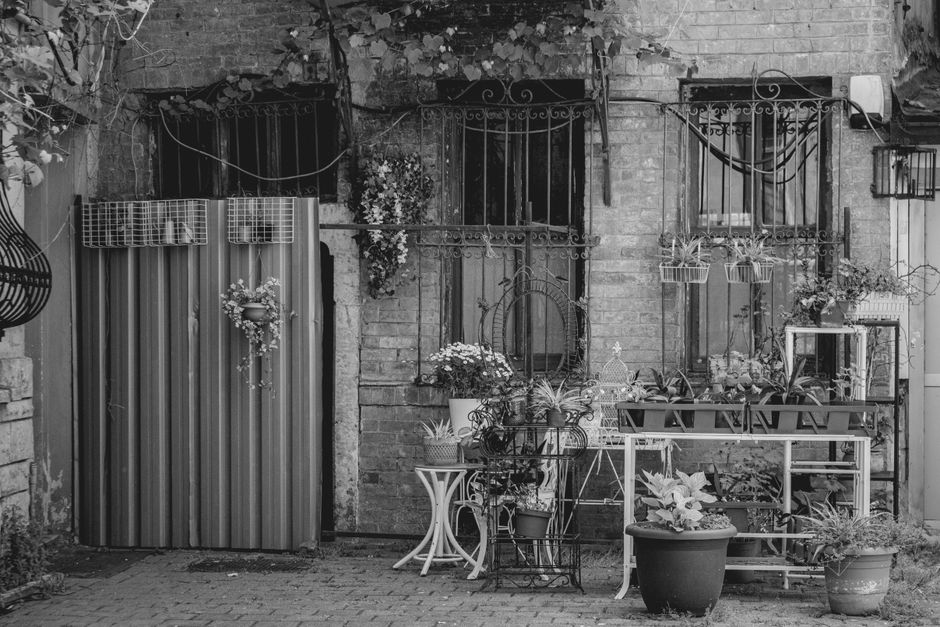
Courtyards and planters are often the hardest-working green spaces in central London. They do not have the luxury of room. They do not forgive neglect either. One dry spell, one windy week, or one missed pruning cycle and the whole scheme can start to look scruffy. That matters more than people think, because small planting areas often shape the first impression of a property.
Near Victoria Station, that first impression is especially valuable. Courtyards may sit beside entrances, terraces, hotel seating areas, office breaks spaces, or mixed-use developments. Visitors notice the condition of the planting before they register the details of the design. Fresh mulch, tidy edges, healthy leaves, and clean containers all suggest care. It is a small thing, but it changes how the whole place feels.
There is also a practical reason this work matters: planters and courtyards can deteriorate faster than garden beds. Soil volume is limited, drainage is often uneven, and plants are more exposed to reflected heat from paving in summer and cold air pockets in winter. In other words, the space is doing a lot with very little. A maintenance plan helps you stay ahead of that pressure rather than reacting after plants begin to fail.
In our experience, the most successful urban planting areas are not the most elaborate ones. They are the ones with a simple rhythm: inspect, tidy, water, feed, prune, reset. Nothing dramatic. Just consistent care, which, to be fair, is what most good gardens need anyway.
If you are also thinking about wider upkeep, it can help to see this as part of a broader property routine alongside garden maintenance support in Belgravia or even seasonal refreshes informed by neglected garden restoration ideas.
How Victoria Station garden maintenance guide courtyards and planters Works
Good courtyard and planter maintenance is a layered process. It is not only about watering. It is about keeping the planting design, the soil condition, and the surrounding hard surfaces working together. If one part slips, the whole composition can feel off.
Here is the basic logic:
- Assess the space first. Check sunlight, wind exposure, drainage, access, and how much time the area is left unattended.
- Match the plants to the conditions. Shade, sheltered corners, and north-facing courtyards each need different choices.
- Set a maintenance rhythm. Watering, deadheading, feeding, and cleaning should happen on a regular cycle rather than only when things look bad.
- Protect the containers. Planters need suitable compost, drainage holes, and enough depth for the root system.
- Keep the hard landscaping clean. Algae, moss, leaf litter, and soil splash can make even healthy planting look neglected.
That last point is often overlooked. A planter can have healthy foliage and still look messy if the surrounding paving is stained or the edges are cluttered with dead stems. This is why courtyard maintenance often goes hand in hand with patio care, edging, and occasional structural checks. If a space includes paving that has become slippery or dull, a coordinated approach with patio cleaning in Belgravia can make a surprising difference to the overall result.
For planters specifically, the process usually starts from the base up. You check drainage, top up compost where needed, remove failed growth, then shape the planting so each pot still has a clear silhouette. It sounds small. It is not small at all. Once planters become top-heavy, dry out fast, or fill with stale compost, recovery becomes harder than prevention.
Key Benefits and Practical Advantages
There are obvious benefits to keeping courtyards and planters in shape, but some are more subtle than others. The obvious one is visual appeal. The subtler one is how the space behaves over time.
- Better presentation: Neat planters instantly lift an entrance, terrace, or enclosed yard.
- Healthier plants: Regular maintenance reduces stress, disease spread, and root problems.
- Improved longevity: Good care extends the life of both plants and containers.
- Less emergency work: Small, routine tasks prevent expensive rescue jobs later.
- Safer surfaces: Clearing leaves, algae, and dead growth helps reduce slip risks.
- More usable space: Courtyards feel calmer and more functional when they are well kept.
There is also a commercial angle. A tidy planted courtyard can support seating areas, reception zones, and hospitality terraces without overwhelming the space. If you want the greenery to frame a sitting area rather than crowd it, ideas from cozy garden seating areas can be surprisingly useful even in compact settings.
Another practical benefit is flexibility. Planters allow you to update the look without major building work. You can shift colour, height, and texture around the same basic courtyard layout. That means the space can feel seasonal and fresh, even if the footprint stays exactly the same.
Expert summary: The best courtyard planting schemes are not the flashiest. They are the ones that stay balanced, drain properly, and can be maintained without constant drama. If a design needs rescuing every fortnight, it probably needs simplifying.
Who This Is For and When It Makes Sense
This guide is for anyone responsible for a small, exposed, or high-visibility planted space near Victoria Station or in a similar central London environment. That might be a homeowner with a paved courtyard, a facilities manager, a landlord, a concierge team, or a hospitality business trying to keep outdoor areas presentable through the year.
It also makes sense if you have one of these situations:
- The space looks tired even after basic cleaning.
- Plants are constantly drying out or failing.
- Planters are overcrowded, broken, or undersized.
- The courtyard gets little direct sun and feels difficult to plant.
- You need a lower-maintenance scheme that still looks good.
- The area is used by guests, staff, residents, or customers and must stay tidy.
If you are a beginner, the simplest entry point is to learn what works in containers before worrying about complex planting combinations. A helpful starting point is the secrets to successful container gardening, which translates very neatly to courtyards and planters.
If, on the other hand, the garden has been neglected for a while, it may need a staged reset rather than a quick tidy. That is especially true when there is old compost, woody stems, mossy paving, and self-seeded weeds all competing for attention. It happens. More often than people admit.
Step-by-Step Guidance
Here is the most practical way to approach courtyard and planter maintenance without getting lost in the details.
- Start with a full inspection. Check every planter for cracks, poor drainage, waterlogging, root congestion, and signs of stress. Look at the paving too. Algae, staining, and slipping hazards often show up before the planting looks bad.
- Clear away debris. Remove dead leaves, spent flowers, broken stems, and any rubbish that has blown in. In a courtyard, small debris accumulates quickly and makes the whole area feel untidy.
- Weed carefully. Even planters get weeds, especially where birds drop seeds. Keep on top of this early. A short session now is easier than a full reset later. For a more detailed approach, see practical weed control guidance.
- Test the soil condition. If the compost has become compacted, sour, or dry at the edges but wet in the middle, it may need replacing or refreshing. In containers, tired soil is a common reason plants decline.
- Trim, deadhead, and reshape. Remove faded blooms, cut back leggy growth, and keep the planting within its intended outline. Courtyards look best when plants have clear form rather than spilling everywhere.
- Water with intention. Don't just give everything a quick splash. Water deeply enough that the root zone actually benefits. In hot spells, container plants may need more frequent attention than the rest of the garden.
- Feed where needed. Small growing spaces often need a little extra nutrition because nutrients wash out more quickly in containers. Use a sensible feeding routine rather than heavy feeding all at once.
- Refresh the surface. Top dressing with compost, bark, or decorative gravel can improve appearance and help reduce moisture loss.
- Check the planting balance. Step back and look at shape, height, and spacing. Does one planter dominate? Is one corner bare? Small adjustments often make a larger difference than new plants.
- Keep a seasonal rotation. Swap tired summer displays for winter structure, or introduce spring bulbs before the weather turns. That way the courtyard never feels like it has gone flat.
If the area is shady, you may want to include greenery that holds form without demanding constant sun. For that, evergreen climbers for shade can be a useful reference point, especially where walls or screens need softening.
Expert Tips for Better Results
Once the basics are in place, a few small habits can improve the whole setup.
First, choose repetition over variety. Too many plant types in one compact courtyard can make the design feel busy. Repeating the same foliage or flower shape across several planters usually looks more polished. It is calmer on the eye, too.
Second, think in layers. A strong courtyard scheme normally has a structure plant, a filler, and a seasonal or trailing element. That way the display still has presence even when one plant is between flushes.
Third, keep one eye on wind. Central London is not always exposed in the same way as an open garden, but courtyards can behave like wind tunnels. Tall stems snap. Light pots blow around. Soil dries faster. If you know the space funnels air, wind-friendly planting ideas are worth reviewing before you commit to a palette.
Fourth, think about winter before winter arrives. A lot of planter schemes look great in June and then struggle by November. That is not a mystery. It usually means the planting lacked structure, drainage, or seasonal resilience from the start. For seasonal planning, winter garden resilience tips can help shape expectations.
Fifth, do less, but do it regularly. Truth be told, most planter problems come from inconsistency, not from one dramatic mistake. A small courtyard checked twice a week often looks better than a larger one tended only every now and then.
Common Mistakes to Avoid
Here are the mistakes that tend to show up again and again in courtyard and planter maintenance.
- Using the wrong planter size. Too small and roots dry out too quickly. Too large and the display can look awkward or become waterlogged.
- Ignoring drainage. Without proper drainage, even healthy plants can fail. Soggy compost is one of the fastest ways to lose a planter scheme.
- Overcrowding. New planters often look sparse at first, so people cram in too many plants. A few weeks later, everything is fighting for light and air.
- Letting the hard surfaces go. A lovely planter set on stained paving will never quite look finished.
- Choosing plants for appearance only. A plant that looks good in a nursery may dislike the shade, wind, or dry air of a courtyard.
- Skipping seasonal resets. If you never edit the scheme, it becomes leggy, congested, and tired.
One of the more overlooked problems is planting for full-sun conditions in a space that only gets filtered light. That happens constantly in enclosed urban courtyards. The result is weak stems, disappointed owners, and a lot of shrugging from the plants. Plants do not care about our plans, sadly.
Another issue is using decorative pots without checking whether they are practical. A planter can be beautiful and still be wrong for the job if it cracks in frost, drains badly, or tips over too easily.
Tools, Resources and Recommendations
You do not need a van full of specialist kit to maintain courtyards and planters well. But a few reliable tools make the job much easier.
- Bypass secateurs for clean pruning
- Hand fork or small trowel for reworking compost
- Watering can or hose with controllable flow
- Soft brush for cleaning pot rims and paving edges
- Gloves for thorny or gritty work
- Compost suitable for container planting
- Mulch or decorative top dressing
- Plant ties or supports for taller specimens
For more general gear ideas, it can help to review essential gardening equipment so you are not missing the basics. If the scheme leans toward herbs or edible planting, you might also find herb gardening inspiration useful for compact, fragrant displays.
If your courtyard includes bigger structures like raised beds or built-in planters, make sure any surrounding timber, masonry, or fixed elements remain in good condition. In some cases, a broader review that includes decking care or landscaping support may be more sensible than treating the planters in isolation.
Law, Compliance, Standards, or Best Practice
For courtyard and planter maintenance, the main compliance concerns are usually safety, access, and responsible working practice rather than anything highly technical. That said, good best practice matters.
If the space is public-facing, shared, or professionally managed, surfaces should be kept as safe as reasonably possible. That means managing slippery algae, removing trip hazards, and not blocking access routes with oversized pots or trailing growth. Where maintenance work involves ladders, sharp tools, or the movement of heavy containers, safe working procedures should be followed and handled by competent people.
It is also sensible to think about waste handling. Spent plant material, old compost, and packaging should be removed responsibly rather than left to build up in a courtyard corner. If a team is renewing a planting scheme, working with a provider that takes health and safety seriously and can explain its approach to insurance and safety is a fair expectation.
For customers who want a clearer idea of what service arrangements look like, it may also be helpful to review service terms and conditions and privacy information before commissioning work. That is less about red tape and more about knowing who is responsible for what. A little clarity saves headaches later.
As always, if a situation involves structural damage, unsafe paving, or significant plant failure, it is wiser to get a professional opinion rather than trying to patch it casually. Courtyards are small, yes, but small spaces can hide annoying problems under the surface.
Options, Methods, or Comparison Table
Different courtyard and planter setups call for different maintenance styles. The best method depends on how much time you have, how visible the space is, and how much change you want through the year.
| Maintenance approach | Best for | Strengths | Trade-offs |
|---|---|---|---|
| Light touch routine | Small private courtyards with hardy planting | Low effort, simple to maintain, easy to repeat | Less impact if the design is already tired |
| Seasonal refresh model | Display-led spaces that need colour changes | Flexible, visually strong, easy to update | Needs planning and periodic replanting |
| High-detail maintenance | Hospitality, reception, or prestige entrances | Polished appearance, stronger presentation | Requires more time and attention |
| Low-maintenance structural scheme | Busy households or managed buildings | Reliable, tidy, less watering pressure | Can feel understated if not designed well |
In practice, many sites do best with a hybrid approach: structure plants that stay in place, plus a few seasonal accents that can be swapped in and out. This keeps the space interesting without making maintenance feel like a full replant every few months.
Case Study or Real-World Example
Picture a compact courtyard near Victoria Station with four large planters, a narrow paved walkway, and a seating corner used by office staff during lunch. The space looked decent in spring but became patchy by late summer. One planter dried out almost daily. Another was shaded by a wall and had thin, stretched growth. The paving had picked up a green sheen after a wet spell. Nothing catastrophic, just all the usual urban garden annoyances.
The fix was straightforward. The planting was simplified, the weak and overcomplicated species were removed, and the planters were grouped so the most drought-prone one could be checked first. Compost was refreshed. The surface was cleaned. A more resilient planting mix was used, including a structure plant, a softer filler, and one trailing element for the edges. The result was not flashy, but it looked better instantly and stayed that way with less effort.
What made the biggest difference? Not a single dramatic intervention. It was the decision to work with the space instead of fighting it. That is usually the turning point. Once the planter scheme is aligned with the site conditions, maintenance becomes manageable rather than frustrating.
Practical Checklist
- Inspect every planter for drainage, cracks, and root congestion
- Remove dead leaves, spent blooms, and debris from surfaces
- Check for weeds in both containers and paving joints
- Refresh tired compost where growth has stalled
- Water deeply and consistently rather than randomly
- Feed container plants according to season and plant type
- Prune back leggy or damaged growth
- Top dress exposed compost for a cleaner finish
- Make sure pots are stable and not blocking access
- Clean the courtyard paving so the planting can stand out
- Review plant choices if the scheme is failing in shade, wind, or heat
- Plan a seasonal refresh before displays look tired
If a courtyard has become cluttered or forgotten, a reset can be very satisfying. It often only takes a few disciplined rounds of care before the space starts to feel calm again. You can almost hear it, in a way - less muddle, more order.
Conclusion
A well-kept courtyard or planter scheme near Victoria Station is not about size. It is about balance, timing, and consistency. Get those right and even a modest space can feel welcoming, refined, and easy to live with. Get them wrong and the same area can look tired surprisingly fast.
The best approach is simple: work with the conditions, keep maintenance regular, and choose plants that can handle the realities of a busy urban setting. If you are unsure where to start, begin with the drainage, the soil, and the shape of the planting. Those three things tell you a lot.
And if the job feels bigger than a quick tidy, that is perfectly normal. Courtyards and planters can be deceptively demanding. The good news is that once they are set up properly, they usually reward you with a lot less hassle and a lot more charm. That is the sweet spot, really.
Get a free quote today and see how much you can save.

Dakota's mastery in gardening allows her to author useful articles on landscaping, lawn care, and garden maintenance, playing a pivotal role in helping numerous individuals enjoy their dream gardens.