Sloane Street garden maintenance guide for communal spaces
Posted on 13/11/2026
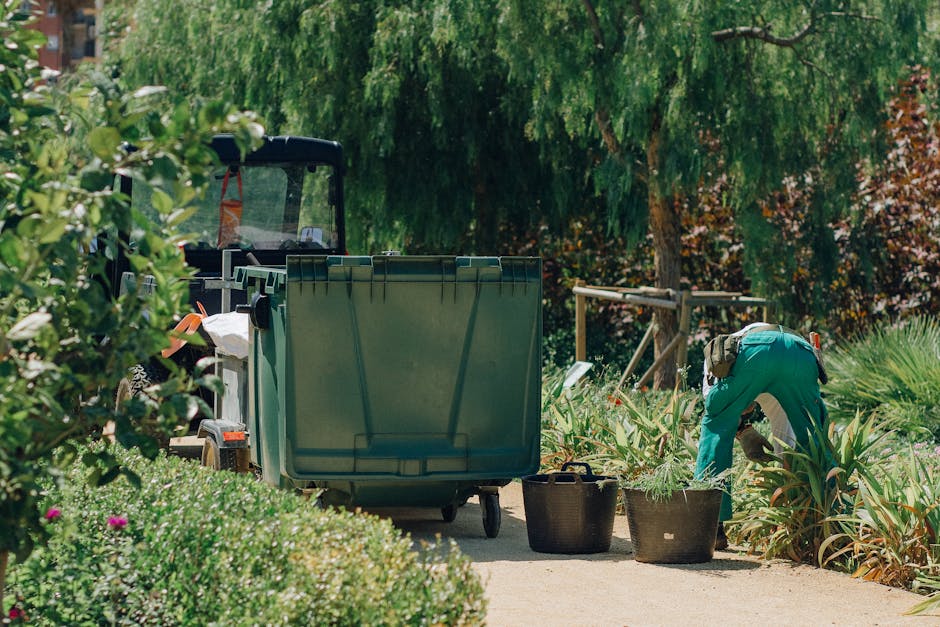
Sloane Street Garden Maintenance Guide for Communal Spaces
Shared gardens can look effortless from the outside. Fresh borders, clipped hedges, tidy paths, and a lawn that somehow stays green even after a wet week in London. In reality, they only look that way because someone is paying attention to the details. This Sloane Street garden maintenance guide for communal spaces is built for exactly that kind of setting: elegant, busy, heavily used, and expected to look good almost all the time.
If you manage a residents' courtyard, a communal front garden, or a shared planting scheme near Sloane Street, you already know the pressure. One missed mow, one overgrown shrub, a bit of leaf build-up after a windy spell, and suddenly the whole place feels less polished. The good news? With the right routine, communal gardens are very manageable. They do not need constant fussing. They need a clear plan, sensible plant choices, and a maintenance rhythm that suits real life.
This guide walks through what communal garden maintenance involves, why it matters in a prominent London setting, how to manage it properly, and where the common pitfalls tend to appear. You will also find practical steps, a checklist, and a realistic comparison of maintenance approaches. Nothing fluffy. Just the stuff that helps a shared garden stay attractive, safe, and calm-looking all year round.
Why Sloane Street garden maintenance guide for communal spaces Matters
Communal green spaces are judged quickly. People notice them on the way in, on the way out, and while waiting for a delivery. In a place like Sloane Street, where the surroundings are expected to feel refined and well cared for, the garden is part of the property's first impression, not an optional extra. That is the real reason this matters.
A shared garden also has a different job from a private one. It must be attractive to many people at once, durable enough for regular footfall, and safe enough to reduce nuisance or avoidable hazards. A path with moss on it, a hedge that blocks sightlines, or a patchy lawn near seating can become a maintenance headache surprisingly fast. Truth be told, communal spaces punish inconsistency.
There is also a people factor. Residents want the space to feel peaceful, but not over-furnished. Neighbours might care deeply about biodiversity, while others simply want the place to stay neat. A good maintenance guide helps balance those expectations so the garden does not become a source of complaints. That is worth a lot, especially in homes where shared areas are part of the everyday experience.
For a local context, you will often see successful communal gardens using a mix of regular cutting, light pruning, seasonal planting, weed control, and cleaning hard surfaces. It sounds obvious. It is also the difference between a space that always feels considered and one that looks forgotten after one damp month.
How Sloane Street garden maintenance guide for communal spaces Works
At its best, communal garden maintenance runs like a quiet schedule rather than a rescue mission. The idea is simple: identify what the space needs, assign the right tasks at the right time, and keep standards steady. When that happens, the garden stays presentable without overworking the budget or the people involved.
The process usually starts with a site review. You look at the planting style, the size of the lawn, how much shade exists, where water collects, whether pets use the area, and how often residents pass through. A narrow courtyard with beds and containers needs a different approach from a larger shared lawn bordered by hedging. One size never quite fits all.
From there, maintenance is usually grouped into a few strands:
- Lawn care for mowing, edging, feeding, and fixing worn patches.
- Border and bed care for pruning, deadheading, mulching, and replanting.
- Hard-surface care for patio sweeping, washing, and keeping access routes clear.
- Hedge and shrub control to maintain shape, privacy, and safety.
- Seasonal work such as leaf clearance, winter protection, and spring tidy-ups.
In practical terms, a well-run communal garden tends to move through a repeating cycle. Weekly or fortnightly tasks keep the visible parts tidy; monthly checks catch problems before they spread; seasonal jobs reset the planting and surface condition. That rhythm matters more than one heroic visit. Gardens love consistency. They really do.
Where the space is more decorative than planted, it may make sense to combine garden upkeep with patio cleaning and occasional hard-landscape care. If the garden is lush and structural, a maintenance plan may also rely on hedge trimming to keep sightlines open and the whole setting crisp.
Key Benefits and Practical Advantages
Good communal garden maintenance is not just about appearances, although that is certainly part of it. Done properly, it supports the whole way the space functions.
- Better first impressions: A neatly maintained communal garden immediately signals care, stability, and attention to detail.
- Improved safety: Clear paths, controlled growth, and prompt leaf clearance reduce slip risks and awkward obstructions.
- Longer life for planting: Correct pruning, feeding, and soil care help plants cope with stress and age more gracefully.
- More usable space: Residents are more likely to sit outside, walk through, or enjoy the garden if it feels clean and welcoming.
- Lower long-term costs: Small fixes are cheaper than major recoveries. A missed weed often becomes a larger repair job later.
- Less resident friction: A predictable standard removes a lot of "why wasn't this done?" conversations.
There is also a subtle benefit that people sometimes miss: maintenance helps preserve design intent. A communal garden often has a visual language, whether that is formal, soft and naturalistic, or modern and minimal. If plants become chaotic or surfaces collect grime, the design disappears. The place still exists, of course, but it loses its character. Bit sad, really.
In a premium street setting, that character can matter nearly as much as the planting itself. The garden becomes part of the property identity. It should feel deliberate.
Who This Is For and When It Makes Sense
This guide is relevant if you are responsible for any shared outdoor space, especially one that has to stay neat, usable, and good-looking with limited downtime. That might include residents' associations, block managers, property managers, freeholders, concierge teams, or private owners who oversee shared ground-floor gardens.
It also makes sense if the garden is underperforming. Maybe the lawn keeps thinning. Maybe the planting looks tired by late summer. Maybe weeds seem to appear overnight in paving joints. Or maybe the garden is not badly neglected, but it never quite feels finished. That is a very common place to be, by the way.
You may need a maintenance plan if any of the following sound familiar:
- The space is shared by several households or users.
- There are resident complaints about tidiness or access.
- Plants have become uneven, sparse, or too large for the area.
- The garden has both soft landscaping and hard surfaces.
- Seasonal changes make the space look messy very quickly.
- You want the area to feel private without becoming overgrown.
Not every communal garden needs a complicated scheme. Some need a simple, steady routine. Others benefit from a seasonal refresh, a planting rethink, or a more professional ongoing plan. The key is matching effort to the actual condition and use of the space, not guessing.
Step-by-Step Guidance
1. Start with a full walk-through
Begin by looking at the garden as a whole. Notice where people walk, where water sits, which plants are thriving, and which areas always seem to look scruffy first. It sounds basic, but this walk-through tells you where your effort will have the biggest effect.
2. Separate the space into zones
A communal garden is easier to manage when it is broken into zones: entrance, lawn, planting beds, shaded corners, seating areas, and boundary edges. Each zone will need a different schedule. For example, a shady corner may need less mowing but more moss awareness, while a border near the pavement may need regular edging and weed control.
3. Set a maintenance rhythm
Create a simple schedule. Weekly or fortnightly jobs might include mowing, litter picking, light deadheading, and removing obvious weeds. Monthly tasks can cover pruning, feeding, checking irrigation, and refreshing mulch. Seasonal work should handle bigger resets such as aeration, soil improvement, or replanting tired beds.
4. Choose plants that behave well in shared spaces
In communal gardens, plant choice matters more than people think. You want reliable structure, not drama. Choose plants that stay neat, cope with pruning, and offer value across the year. If you are shaping privacy, speedy-growing hedges can help, though they need disciplined trimming to avoid taking over. If shade is a challenge, evergreen climbers for shade may be a smart way to create softness without using much ground space.
5. Control weeds before they spread
Weeds in communal settings move fast, especially in neglected cracks, borders, and gravel edges. Hand removal, mulching, edging, and good plant density all help. For a deeper approach, this site's advice on weed control is a useful companion when the garden has begun to lose the battle a little.
6. Keep surfaces clear and usable
Paths, steps, seating zones, and entrances should be checked regularly. Algae, fallen leaves, petals, and loose debris all affect usability. A communal garden feels better when someone can walk through it without second-guessing every step.
7. Review the planting every season
Some plants will outperform others. Some will become too bulky. Some will simply be wrong for the light levels or the way the space is used. A seasonal review allows you to replace underperforming plants, lift tired areas, and keep the scheme coherent.
Expert Tips for Better Results
Here is where a few small choices make a big difference. In shared gardens, the "invisible" work usually matters most.
- Mulch generously, but neatly. It reduces weeds and holds moisture, and it instantly makes borders look more deliberate.
- Use repeated plant forms. Repetition creates calm. Too many different species can make a communal garden look visually noisy.
- Prune for shape, not just size. A controlled outline is more important than simply cutting something shorter.
- Think about winter structure. A garden that looks good in June but awkward in January is not truly well planned.
- Don't ignore edges. Tidy borders, crisp lawn lines, and clean paving joints make the whole site feel sharper.
- Use resilient focal points. A bench, a topiary shape, or a single container grouping can anchor a space without cluttering it.
A small reality check: if the garden is too dense, it will always be harder to maintain. That is why some communal spaces benefit from lighter planting schemes, more evergreen structure, or even some container-led design. The success of container gardening can be a real advantage in tight shared settings where flexibility matters.
If the area is exposed, you may also want to plan around wind. Sloane Street is not exactly a mountain pass, but urban corners can still funnel gusts. The guidance on garden-friendly solutions for windy conditions is useful when choosing staking, planting positions, and sturdier species.
And here's the slightly unglamorous truth: the best communal garden maintenance is often the least dramatic. Calm, repeatable, and boring in the good way.
Common Mistakes to Avoid
Shared gardens tend to go wrong in predictable ways. Once you know the patterns, they are much easier to avoid.
- Letting the lawn become the main problem. If grass gets too long or patchy, the whole site feels neglected very quickly.
- Choosing high-maintenance plants for a low-attention site. Beautiful, yes. Practical, maybe not.
- Ignoring drainage issues. Standing water, soggy patches, and compacted soil lead to long-term decline.
- Pruning everything at once and too hard. That can leave the garden bare, stressed, or oddly lopsided.
- Missing the seasonal reset. A small spring or autumn refresh can prevent a lot of summer grief.
- Overlooking resident use. A seating area or shared access route should be maintained differently from a decorative border.
One common mistake is assuming that a garden only needs attention when it looks bad. In reality, the best time to act is before the obvious decline. You know, before the place starts saying "someone will deal with this later." Later is usually more expensive.
Tools, Resources and Recommendations
You do not need a shed full of specialist equipment to maintain a communal garden well. You do need the right basics and a sensible routine.
Useful tools and equipment often include:
- sharp secateurs and loppers for pruning
- lawn mower or battery mower suited to the garden size
- hedge trimmer for formal boundaries
- leaf rake and stiff broom for seasonal clearance
- hand fork, trowel, and weeding tools
- spade and border edger for neater lines
- gloves, eye protection, and sturdy footwear
- watering cans or a managed irrigation setup for planters and new planting
For shared spaces, it is also worth having a simple maintenance log. Nothing fancy. Just note what was done, what needs attention, and what residents have raised. This helps avoid duplication and keeps everyone on the same page.
If the garden needs a reset after months of underuse, you may find the ideas in neglected garden transformation useful. If you are trying to keep things neat with modest effort, the approach in easy low-maintenance garden projects may give you practical design ideas without overcomplicating the site.
For seasonal resilience, particularly in London winters, it is worth keeping an eye on how to help a garden thrive despite winter. Winter is often when communal spaces reveal weak spots most clearly.
Law, Compliance, Standards, or Best Practice
For communal spaces, compliance is less about dramatic legal complexity and more about sensible duty of care. The main question is simple: is the space maintained in a way that helps prevent avoidable hazards and keeps the area usable for residents and visitors?
In practice, that means paying attention to:
- trip hazards from uneven paving, loose edging, or debris
- slip risks from moss, algae, wet leaves, or pooling water
- safe access around steps, paths, gates, and seating areas
- controlled use of tools, machinery, and pruning equipment
- clear communication if work is taking place in shared access areas
If contractors are involved, it is reasonable to expect proper insurance, safe working practices, and a clear scope of work. Many property managers also prefer written service terms and a straightforward complaints process, which helps everyone if expectations change. The practical aim is not paperwork for the sake of it; it is clarity.
When in doubt, treat the garden as part of the managed property environment rather than as an informal green corner. That shift in mindset usually improves standards straight away. It also reduces the "who is meant to deal with this?" problem, which, let's be honest, appears in almost every shared space eventually.
Options, Methods, or Comparison Table
Different communal gardens need different levels of input. The table below gives a simple comparison of common maintenance approaches.
| Approach | Best for | Strengths | Limitations |
|---|---|---|---|
| Basic reactive maintenance | Very small or lightly used spaces | Low immediate cost, simple to arrange | Problems build up quickly, appearance can drift |
| Scheduled routine maintenance | Most communal gardens | Reliable, tidy, easier to budget for | Needs planning and discipline |
| Seasonal enhancement plan | Gardens needing occasional refreshes | Good for planting updates and wider improvements | Less effective if day-to-day care is weak |
| Full-service managed maintenance | Prestige or high-visibility communal spaces | Consistent standards, less resident admin | Usually the highest ongoing commitment |
For Sloane Street communal spaces, a scheduled routine often gives the best balance. It keeps the garden attractive without over-engineering the process. If the space has complex planting, formal hedging, or a lot of resident visibility, moving towards a fuller service model can make sense. Not because it is flashy, but because it reduces drift.
When the goal is privacy, structure, and elegance, boundary planting and hedging also deserve attention. If that is part of the brief, the guidance on hedge trimming shapes and techniques can be surprisingly helpful, especially where symmetry matters.

Case Study or Real-World Example
Picture a small shared garden behind a terrace near Sloane Street. It has a narrow lawn, two planting beds, some paving, and a few shrubs that have grown a bit too freely. Nothing disastrous. Just enough to make the space feel less elegant than it should.
The first pass is straightforward: clear the paving, cut back the shrubs, edge the lawn, remove weeds, and add mulch to the borders. Then the planting is simplified slightly so the garden feels coherent rather than crowded. A couple of stronger evergreen plants keep the structure in winter, while seasonal flowers are used more sparingly so the maintenance load stays manageable.
Within a few visits, the change is not dramatic in a flashy way. It is quieter than that. The garden feels more open. The paths look safer. Residents begin using the seating area again because it no longer feels like they are stepping into someone else's ongoing project. That is the sort of transformation communal gardens need most.
If a site starts from a worse condition, the recovery path may also involve learning from soil improvement ideas and even looking at how waste can be turned into useful compost material through rich soil from waste. Better soil means better planting, and better planting means less friction later. Simple, but true.
Practical Checklist
Use this checklist as a quick reference for communal garden upkeep.
- Inspect paths, steps, and entrances for slip or trip hazards.
- Mow or trim lawn areas before they become untidy.
- Remove weeds from beds, paving joints, and edging.
- Prune hedges and shrubs to keep shape and access clear.
- Deadhead flowers and clear faded seasonal growth.
- Check for drainage problems after heavy rain.
- Mulch borders where needed to reduce weed pressure.
- Refresh containers and replace tired planting if required.
- Remove leaf litter and debris from seating or gathering areas.
- Review the garden each season and note any recurring problem spots.
- Keep a brief maintenance record for residents or managers.
- Confirm any contractor work follows safe, tidy working practices.
Key takeaway: communal garden maintenance works best when it is regular, measured, and slightly boring. That is not a criticism. It is usually the highest compliment you can pay a shared green space.
Conclusion
A well-kept communal garden on or near Sloane Street does more than look impressive. It supports comfort, safety, privacy, and the quiet sense that the property is cared for properly. That comes from routine, not luck. It comes from pruning before things get shaggy, clearing before surfaces get slippery, and making planting choices that match the space instead of fighting it.
Whether your shared garden needs a light tidy-up, a better seasonal rhythm, or a more considered long-term plan, the goal is the same: make the space feel calm, attractive, and easy to enjoy. And if you get the basics right, the whole place just feels better to come home to. Simple as that.
Get a free quote today and see how much you can save.

Dakota's mastery in gardening allows her to author useful articles on landscaping, lawn care, and garden maintenance, playing a pivotal role in helping numerous individuals enjoy their dream gardens.