Same day gardeners Belgravia urgent hedge and tree work
Posted on 28/10/2026
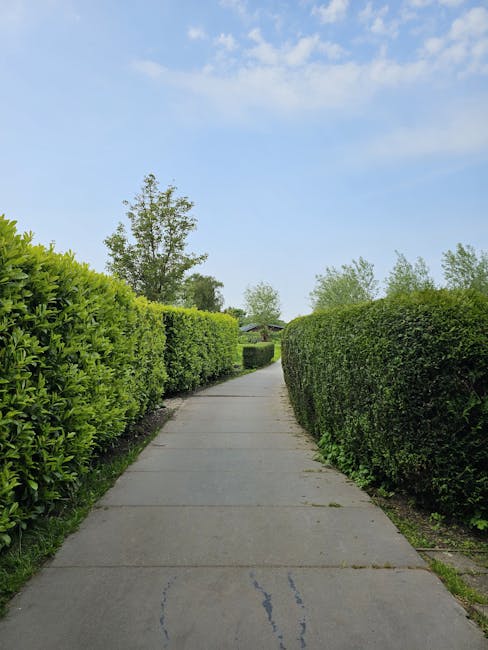
Same day gardeners Belgravia urgent hedge and tree work: fast, safe help when the garden cannot wait
If a hedge has blown across a path, a tree limb is hanging after a windy night, or a front garden suddenly looks untidy before guests arrive, you need help quickly. That is exactly where Same day gardeners Belgravia urgent hedge and tree work becomes valuable. It is not just about speed. It is about getting a capable team to assess the situation, reduce risk, and tidy the space without making matters worse. In a place like Belgravia, where homes are often close together and presentation matters, a prompt and careful response can make a real difference.
In this guide, you will find a clear explanation of how same day hedge and tree work usually works, who it suits, what good service looks like, and how to avoid common mistakes. We will also cover practical checks, compliance basics, and a few real-world examples so you can make a sensible decision under pressure. No fluff. Just the stuff that helps when time is tight.
Why Same day gardeners Belgravia urgent hedge and tree work Matters
Urgent hedge and tree work is one of those things people often delay until it becomes impossible to ignore. A branch starts scraping a window. A hedge leans into the pavement. A tree drops heavy debris after rain and wind. Suddenly the garden is not just looking messy; it may be creating a safety issue, a neighbour concern, or a simple access problem.
In Belgravia, those issues can become visible very quickly. Streets are compact, front gardens are exposed, and many properties have formal planting that needs neat lines to look right. A hedge that has outgrown its space can affect light, privacy and kerb appeal all at once. A tree with damaged limbs can feel urgent because, well, it is urgent. You do not want to spend the night wondering if the next gust will make it worse.
There is also a practical side. When a hedge is left too long, it can be harder to cut cleanly without harming the structure. When a tree is neglected after storm damage, the work can become more involved and more expensive than if it had been dealt with promptly. A quick response often keeps the job smaller, safer and easier to manage.
For readers looking to improve longer-term garden health as well as solve the immediate problem, it may also help to explore how to keep a garden thriving through winter and how to protect a garden during adverse weather. Those topics sit naturally alongside emergency hedge and tree care because prevention is always cheaper than a scramble after the fact.
Expert summary: When hedge or tree problems appear suddenly, the best outcome usually comes from fast assessment, careful pruning, safe clearance, and a sensible follow-up plan rather than a rushed over-cut.
How Same day gardeners Belgravia urgent hedge and tree work Works
Same day help is usually a structured response, not a random dash with shears. A good team will start by asking a few short questions: what is damaged, how large is the plant, whether anything is blocking access, and whether there is immediate danger. If there are signs of serious instability, they may prioritise the job as a higher-risk visit.
In practice, the process often looks like this:
- Initial call or enquiry: You explain the issue clearly, ideally with photos if you can send them. This saves time and helps the gardener judge what equipment may be needed.
- Quick assessment: The team decides whether the job is suitable for same day attendance, whether it needs two people, or whether specialist tree surgery is safer.
- Arrival and safety check: On site, the gardener checks for power lines, unstable branches, sharp drop zones, slippery surfaces and nearby structures.
- Immediate work: They may trim, reduce, clear, tie back, remove broken material, or make the area safe. Sometimes the first aim is not perfection; it is control.
- Waste handling and tidy finish: Cuttings are gathered, bulky waste is removed or stacked neatly, and the garden is left usable again.
For hedge-specific tasks, the work might involve shaping, reducing height, correcting uneven growth, or removing storm-battered sections. For tree-related jobs, the scope can range from light pruning to branch removal or, where appropriate, referral to a tree surgery specialist. If you want a broader view of that service mix, the page on tree surgery in Belgravia is a useful point of reference.
One small but important point: same day does not always mean complete in one visit. Sometimes the first visit is about safety and stability, then the final shaping or follow-up clearance happens after conditions improve. That is not a bad sign. It is usually the cautious approach, which is what you want when tall growth is involved.
Key Benefits and Practical Advantages
The obvious benefit is speed. But to be fair, speed alone is not what makes the service worthwhile. It is the combination of speed, judgement and neat execution.
- Reduced safety risk: Loose branches, obstructed paths, and top-heavy hedges can be made safe quickly.
- Better kerb appeal: Useful if you are expecting visitors, a property viewing, or just prefer the house to look cared for.
- Less damage to plants: Fast, targeted pruning is often better than leaving a broken hedge or split limb to worsen.
- Improved access: Gates, drives, pathways and front steps can be cleared so everyday movement is easier.
- Neighbour-friendly outcome: Overhanging growth and fallen debris are often resolved before they become a dispute. Let's face it, nobody wants that chat over the fence.
- Cleaner long-term structure: The right urgent cut can preserve a hedge's shape and help a tree recover more naturally.
There is also a planning advantage. Once the emergency is handled, you can step back and decide whether the garden needs regular garden maintenance, a seasonal trim plan, or a more significant re-shaping. One rushed incident can actually become a useful reset point if handled well.
If privacy is part of the reason you are dealing with hedge work, you may find it useful to read about fast-growing hedges for privacy. It is a nice reminder that the right hedge can be both practical and attractive, not just something to keep clipped back every six weeks.
Who This Is For and When It Makes Sense
Urgent hedge and tree work is not only for obvious storm damage. In reality, it suits a wide range of everyday situations.
You may need it if:
- a hedge is blocking a driveway, doorway, or pavement access;
- a tree has dropped limbs after wind, snow or heavy rain;
- branches are rubbing on roofs, windows or neighbouring structures;
- a hedge has become unstable, split, or visibly uneven after a poor trim;
- you need the garden presentable very quickly for family, guests, an inspection, or a move-out;
- you have left growth too long and now the job is harder than a normal scheduled visit;
- there is a child, pet, or vulnerable person using the space and the hazard needs removing sooner rather than later.
One real-world pattern we see a lot: a homeowner notices a branch after dark, shrugs it off, then wakes up to find it has moved in the wind. That is the moment when same day help matters. You do not need to wait for a full blown crisis to justify action. If a plant looks wrong and you are uneasy, that feeling is worth listening to.
It also makes sense for property managers and landlords who need the exterior brought back under control quickly. A front hedge or tree can be the first thing people see, and first impressions are stubborn. They stick.
Step-by-Step Guidance
If you are trying to arrange urgent hedge or tree work, a calm approach helps. Even when time is tight, a few clear steps can save mistakes.
- Identify the hazard. Is it a broken branch, overgrowth, blocked access, or a tree leaning after bad weather? The more specific you are, the better.
- Take a few photos. This helps explain the scale of the problem and can speed up quoting or prioritisation.
- Keep people away from the area. If branches are unstable or there is a risk of falling material, do not let anyone stand underneath while waiting.
- Ask what equipment will be brought. For example, ladders, cutting tools, chipper access, or protective gear. A professional should be able to explain this plainly.
- Check whether the job is trimming or tree work. Some issues are simple hedge reduction; others are closer to controlled tree surgery. The wrong approach can create more harm.
- Agree on the immediate priority. Safety first, then appearance, then waste removal. That order usually works best.
- Confirm aftercare. Ask how the garden should be monitored after the work, especially if a large branch was removed or a hedge has been cut hard.
If the hedge is part of a larger neglected space, you may also want to look at what to do with a neglected garden. Sometimes the fastest fix is also the start of a bigger recovery. A little momentum goes a long way.
Expert Tips for Better Results
Good urgent work is not just about cutting fast. The quality lies in the judgement behind the cut.
1. Ask for the minimum safe intervention first
In an emergency, a restrained cut is often better than an aggressive one. If a hedge can be made safe and accessible without being butchered, that is usually the right call. Same with trees: remove the problem limb, stabilise the structure, then review what remains.
2. Protect the shape, not just the line
Hedges are living structures. If the team strips too much from one side, the hedge can look patchy for months. A careful gardener thinks about future regrowth, not only today's clean edge.
3. Watch the weather window
In light rain, work may still be possible. In high wind, it may not be sensible. That sounds obvious, but people sometimes forget how much wind changes risk when you are near height or handling long stems.
4. Use the urgent visit to set a maintenance rhythm
Once the immediate mess is handled, ask what routine would prevent a repeat. In many gardens, a seasonal trim plan is far less disruptive than waiting for a dramatic intervention every year.
5. Think about the wider garden
After a hedge reduction or tree prune, light levels, soil moisture and wind exposure can change. That can be useful. It can also mean nearby planting needs a small adjustment. For ideas on hardy supporting planting, you may find ground covers for UK gardens helpful, especially where bare soil appears after heavy cutting.
A good gardener will usually say when a job is beyond ordinary trimming. That honesty matters. If something needs specialist attention, it is better to say so than to pretend a quick snip will solve it. A bit blunt, maybe, but useful.
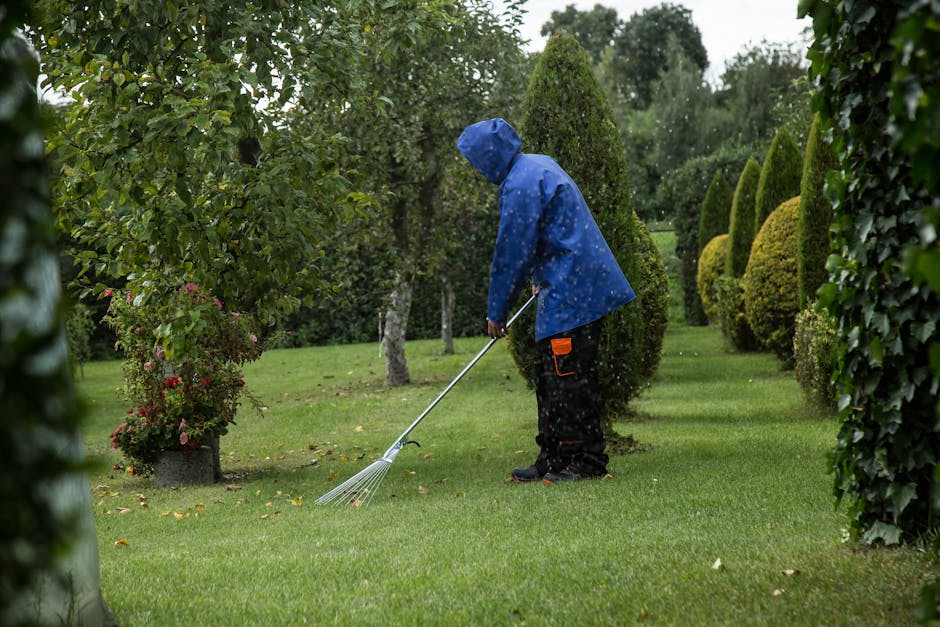
Common Mistakes to Avoid
When people are stressed, they often make the same handful of mistakes. These are easy to avoid if you know what to look for.
- Waiting too long: The longer you leave a broken branch or leaning hedge, the greater the chance of secondary damage.
- Overcutting in panic: Hard pruning can leave gaps, stress the plant, and create an uneven recovery.
- Ignoring access issues: If a path is blocked, mention it. If a gate is narrow, say so. A small detail can affect the whole visit.
- Assuming all cutting is the same: Hedge trimming, tree pruning and tree surgery are not identical. The right method matters.
- Skipping safety checks: Even if the issue looks manageable, look for power cables, unstable debris and slippery ground.
- Forgetting disposal: Cut material can take up a surprising amount of space. You do not want a neat hedge and a mountain of branches left behind.
Another mistake is asking for a "quick tidy" when what you actually need is a considered reduction. The wording matters more than people think. If you are not sure, describe the problem visually: "A limb has snapped and is hanging over the path" is much clearer than "It looks bad." Both are true, but one is easier to act on.
Tools, Resources and Recommendations
For urgent garden work, the tools used depend on the job, and the right kit helps keep the work efficient and controlled. A well-prepared team may use:
- hand pruners and loppers for smaller stems;
- hedge trimmers for regular hedge shaping;
- saws for thicker branches;
- ropes or support methods where controlled lowering is needed;
- protective gloves, eye protection and sturdy footwear;
- tarps, sacks or chippers for clear waste handling;
- inspection tools for checking damage higher up in the canopy.
For householders who want to understand the broader kit behind good garden work, key gardening equipment for green space lovers gives useful context. It is not about turning you into a contractor. It is about helping you recognise the difference between proper preparation and a rushed, improvised job.
You may also want to compare urgent one-off work with planned follow-up services such as hedge trimming in Belgravia or lawn care in Belgravia if the garden needs a broader recovery afterwards. That way the emergency does not just get patched; it gets settled.
Law, Compliance, Standards and Best Practice
Tree and hedge work should always respect safety, property boundaries and good arboricultural practice. In the UK, the exact legal position can vary depending on the tree, the site, and whether any protections apply. If a tree is subject to a Tree Preservation Order or is in a conservation area, extra care and checks may be needed before work begins. For that reason, a reputable gardener will be cautious and avoid making promises they cannot verify on the spot.
From a best-practice point of view, a competent service should consider:
- safe access and working at height;
- clear separation of people from the work zone;
- appropriate personal protective equipment;
- careful disposal of arisings;
- respect for neighbouring property and overhanging growth;
- the long-term health of the plant, not only the immediate appearance.
Insurance is another sensible topic to ask about. A professional outfit should be able to discuss this in plain English, not hide behind jargon. If you are unsure what is covered or how safety is managed, the pages on insurance and safety and health and safety policy are worth reviewing before you book.
For the service itself, the standard you want is straightforward: a careful risk check, the correct method for the plant, tidy clearance, and honest communication if something is more complex than expected. Nothing fancy. Just proper work.
Options, Methods and Comparison Table
Not every urgent garden problem needs the same solution. Here is a simple comparison that can help you frame the job before you book.
| Method | Best for | Typical strengths | Limitations |
|---|---|---|---|
| Light hedge trimming | Overgrown hedges, shape correction, access issues | Fast, tidy, preserves structure | Not suitable for structural tree problems |
| Reduction pruning | Hedges or trees that need controlled size reduction | Balances appearance and safety | Needs judgement; overcutting can stress plants |
| Storm-damage clearance | Broken limbs, fallen debris, immediate hazards | Makes area safe quickly | May be a temporary fix before follow-up work |
| Tree surgery referral or specialist work | Large, unstable, or higher-risk trees | Safer for complex cases | Can require more time and planning |
The right choice depends on the risk, the plant type, and the visible damage. If you are unsure, ask for the least invasive approach that still makes the area safe. That is usually the sweet spot.
Case Study or Real-World Example
Picture a Belgravia townhouse after a windy evening in late autumn. The front hedge has heeled over a little, one side is dragging across the pavement, and a small limb from the ornamental tree near the entrance has split partly loose. Nothing dramatic. But enough to worry the homeowner before the school run the next morning.
A same day visit begins with a quick look at the hazard. The team clears the loose limb first, because that is the part most likely to cause injury. Then they trim back the hedge just enough to restore access and remove the uneven, wind-lashed growth. They do not chase perfection. They aim for safe, neat and proportionate.
By the end of the visit, the doorway is visible again, the path is clear, and the hedge no longer looks like it has had a rough week. A follow-up trim is suggested for a calmer day, along with a seasonal plan so the hedge does not get back into the same state. Simple, really. But when you are standing there with wet leaves underfoot and guests due in two days, simple feels excellent.
That kind of visit also tends to reveal a bigger pattern: where shrubs have outgrown their space, where light is being lost, and where the garden might benefit from a more consistent rhythm. A quick fix can become a proper reset if you want it to.
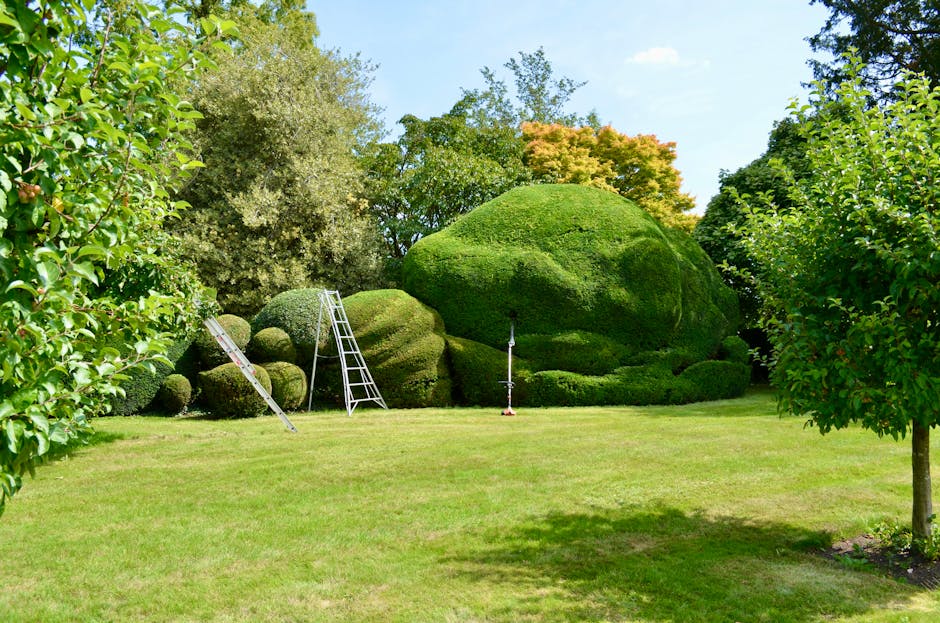
Practical Checklist
Before the gardener arrives, run through this checklist if you can.
- Take clear photos of the hedge or tree damage.
- Keep children, pets and visitors away from the area.
- Note any wires, fragile structures or blocked access points.
- Confirm whether the main issue is safety, appearance, or both.
- Ask if waste removal is included or needs to be arranged separately.
- Check whether the plant is part of a larger boundary or privacy screen.
- Be ready to explain what you want preserved and what you want reduced.
- Review any follow-up maintenance that may be sensible after the urgent visit.
Practical takeaway: the clearer your brief, the faster the response can be, and the less likely the work is to overshoot what the garden actually needs.
If you want to understand the wider service picture after the urgent job is done, the page on gardening services in Belgravia can help you think about ongoing support rather than just the emergency visit.
Conclusion
Urgent hedge and tree work is one of those services you hope you will never need, and then are quietly relieved to find when you do. The best same day response is calm, safe, and practical. It should deal with the immediate problem, respect the health of the plants, and leave you with a clear next step instead of a mess and a headache.
In Belgravia, where garden presentation and safety both matter, quick action can protect access, privacy and peace of mind. Whether you are dealing with storm damage, a hedge that has overreached, or a tree that needs careful attention, the key is to act early and choose a team that thinks beyond the quickest cut. That bit matters more than people realise.
If you are comparing options and want to move forward with confidence, focus on safety, clarity and careful workmanship. The right help should make the garden feel settled again - and honestly, that feeling is worth a lot.
Get a free quote today and see how much you can save.

Dakota's mastery in gardening allows her to author useful articles on landscaping, lawn care, and garden maintenance, playing a pivotal role in helping numerous individuals enjoy their dream gardens.