Belgrave Square garden maintenance for period townhouses
Posted on 12/10/2026
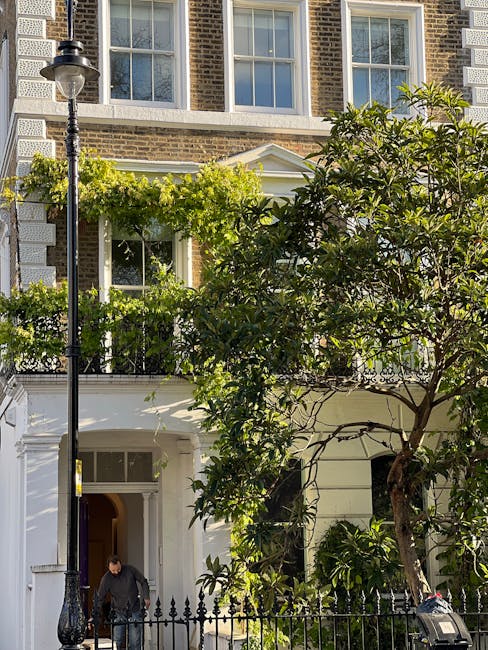
Belgrave Square Garden Maintenance for Period Townhouses: A Practical Guide to Elegant, Low-Drama Outdoor Care
Belgrave Square garden maintenance for period townhouses is never just about "keeping things tidy". It is about protecting a formal look, preserving mature planting, and working with the quirks of historic London properties without making a fuss about it. If you own, manage, or care for a Belgrave Square townhouse, you already know the garden can make the whole house feel calmer, sharper, and far more welcoming. Let it slip, and the whole frontage can start to feel tired very quickly.
This guide explains how period townhouse garden care works in practice, what matters most in a square like Belgrave, and where homeowners often get caught out. You will find seasonal guidance, a step-by-step approach, common mistakes, and a practical checklist you can actually use. It is written for people who want a garden that looks refined in January as well as June. Not perfect. Just properly looked after.
Why Belgrave Square garden maintenance for period townhouses Matters
Period townhouse gardens in Belgrave Square are usually smaller than people expect, but they carry a lot of visual weight. They sit right at the point where architecture meets planting, and that means every hedge line, every clipped edge, and every patch of seasonal colour gets noticed. A neglected border can make an otherwise immaculate house feel oddly unfinished. A well-kept garden, by contrast, gives the whole property a sense of order and restraint.
There is also the matter of heritage character. Period townhouses tend to suit a more structured gardening style: clean lines, balanced planting, careful pruning, and surfaces that do not look overworked or overdesigned. You do not want the garden to fight the building. You want it to sit quietly beside it, which is a different skill altogether.
In practice, this means garden maintenance here is as much about editing as it is about growing. A bit like tailoring, really. You are not trying to add noise; you are trying to improve the fit.
It also matters because the local environment can be unforgiving. London dust, shade from tall facades, wind tunnels between buildings, and limited soil volumes all affect performance. If you have ever seen a clipped box hedge go patchy or a lawn fade near a basement lightwell, you will know the feeling. The space needs routine care, not heroic rescue every six months.
For readers planning a wider refresh, related guidance such as transforming neglected gardens can be useful when a period garden has slipped beyond simple touch-ups.
How Belgrave Square garden maintenance for period townhouses Works
Good maintenance starts with understanding the structure of the garden before touching the plants. In a Belgrave Square townhouse setting, that usually means looking at boundaries, sightlines, planting density, soil condition, drainage, access points, and how the garden is viewed from the house. A garden seen from a drawing room window needs a different rhythm from a courtyard you walk through twice a day.
Most professional maintenance programmes follow a repeating cycle:
- Assessment: check plant health, soil condition, weed pressure, and structural features such as edging, paving, steps, and fencing.
- Seasonal prioritisation: decide what needs immediate attention and what should wait for the right weather window.
- Precision pruning and trimming: keep shrubs, hedges, climbers, and topiary in proportion.
- Weed and moss control: reduce competition around roots and on hard surfaces.
- Feeding, mulching, and watering: support the soil, not just the visible plants.
- Surface care: keep paths, patios, and steps clean, safe, and visually consistent.
- Ongoing monitoring: notice changes early so problems do not snowball.
That last part is underrated. The best maintenance teams do not just "do the jobs"; they keep an eye on drift. A hedge that is inching out of line. A container that dries too quickly. A climber pulling away from its support. Small things, but in a period townhouse garden, small things can become the main event if ignored.
Where privacy is a concern, structured planting can help soften overlooking windows without making the space feel boxed in. If that is part of your brief, ideas for fast-growing hedges can help you think about screening in a more considered way.
For larger gardens or more intricate layouts, maintenance may also overlap with specialist hedge trimming, lawn care, patio cleaning, and occasional landscaping adjustments. The key is consistency. Not dramatic reinvention every year. Consistency.
Key Benefits and Practical Advantages
For townhouse owners, maintenance is not just cosmetic. Yes, the garden looks better. But the real benefits go deeper than that.
- Protects the property's presentation: the garden becomes part of the home's architectural language.
- Supports plant longevity: regular care reduces stress on shrubs, climbers, perennials, and lawn areas.
- Makes limited space feel larger: neat lines, disciplined planting, and clean hard surfaces create breathing room.
- Reduces repair costs: early intervention is usually cheaper than dealing with overgrown roots, failed turf, blocked drainage, or damaged paving edges.
- Improves usability: a garden that is easy to move through gets used more often. Funny how that works.
- Helps with privacy and comfort: screening, shelter planting, and thoughtful layout can make the garden more liveable.
There is also a wellbeing angle, which people sometimes underplay because it sounds a bit soft. But open the back door to a calm, well-kept garden and the house feels different. Quieter. More composed. Even on a grey Tuesday morning, it changes the mood.
Where space is tight, container planting and vertical structure can be especially useful. For readers exploring that route, successful container gardening and vertical gardening ideas are both relevant next reads.
Expert summary: In period townhouse gardens, the best results usually come from controlled growth, reliable seasonal routines, and surface care that keeps the whole outdoor space looking intentional rather than busy.
Who This Is For and When It Makes Sense
This kind of maintenance suits anyone responsible for a formal or semi-formal garden attached to a period property. That may include owner-occupiers, landlords, estate managers, property caretakers, and household staff. It is especially sensible if the garden is visible from multiple floors or contributes to the wider impression of the house.
You will usually benefit from a structured maintenance plan if one or more of the following applies:
- the garden has mature shrubs or hedging that need precise seasonal trimming
- the property has a courtyard, narrow rear garden, or awkward side return
- you want year-round presentation rather than occasional tidy-ups
- the house is used for entertaining and the outdoor space needs to look presentable on demand
- the planting scheme includes climbers, specimen shrubs, or containers that need specialist care
- you have noticed wear on paving, poor drainage, or uneven growth caused by shade and confined roots
It also makes sense after a change in occupancy. New owners often inherit a garden that has been "looked after" in the loosest possible sense. The grass is there, the climbers are alive, and the borders are... optimistic. That is usually the moment when a proper maintenance routine pays off.
If the garden is already showing signs of decline, you might find practical help in reviving neglected gardens. It is a useful reminder that even a tired space can come back with the right sequence of work.
Step-by-Step Guidance
Here is a sensible way to approach Belgrave Square garden maintenance without overcomplicating it.
- Start with a proper walkthrough. Look at the garden from inside the house first, then walk the space slowly. You will spot different issues from each angle.
- Separate the structural from the seasonal. Hedge height, path condition, drainage, and worn edging are structural. Deadheading, weeding, and light pruning are seasonal. Do not treat them the same.
- Prioritise visibility. In townhouse gardens, the most visible areas often matter most: the main sightline, the central border, the terrace edge, and the window view.
- Reset edges and boundaries. Crisp lines make a garden feel cared for, even before the planting is perfect. That is a small win with a big effect.
- Prune with proportion in mind. Period gardens usually look best when shrubs are shaped to suit the property rather than allowed to sprawl freely.
- Improve the soil. Feed and mulch where needed. A lot of garden stress starts below the surface, not above it.
- Deal with weeds early. Waiting too long turns a manageable job into a recurring frustration. If the weeds are already dug in, you feel it in your back later. Trust me.
- Refresh containers and seasonal colour. Containers can carry a formal garden through dull months and bridge gaps when borders are resting.
- Check surfaces and access points. Keep patios, steps, and paths clean enough to be safe and smart-looking.
- Review monthly, not yearly. A townhouse garden benefits from small, regular adjustments far more than one giant overhaul.
For seasonal timing, a useful planning habit is to think in quarters rather than random visits. Early spring for recovery and structure, late spring and summer for growth control and presentation, autumn for tidying and protection, winter for clearing, pruning where appropriate, and setting the garden up for the next cycle.
If you are unsure how your garden should look in colder months, winter garden resilience tips can help you plan the off-season rather than just react to it.
Expert Tips for Better Results
Period townhouse gardens usually respond best to calm, disciplined care. Here are the details that make a visible difference.
- Use restraint with pruning. Over-cutting can leave formal planting looking harsh, especially on older shrubs that need shaping rather than scalping.
- Match planting to the light. Belgrave Square gardens may have shade from walls, railings, and neighbouring buildings. Choose plants that are comfortable there, not ones you have to baby endlessly.
- Repeat key plants. Repetition creates order. A handful of well-chosen species often looks more elegant than a crowded mix.
- Keep surfaces immaculate. Moss on stone, leaf litter in corners, and algae on shaded paving can quietly undo the whole effect.
- Think about wind. Even sheltered London gardens can funnel gusts down narrow passages. Sturdier planting and secure supports matter more than people expect. There is a good reason some gardens benefit from wind-tolerant planting solutions.
- Do not ignore climbers. On period properties, climbers can be a feature, not an afterthought. But they need boundaries, or they become a small jungle with opinions.
- Use organic matter wisely. Compost and mulch are excellent, but only when applied with judgement. Too much can smother, too little does little. As ever, balance.
A helpful habit is to photograph the garden at the same point each month. Sounds almost too simple, but it works. You will notice drift in shape, colour, and density faster than you would by memory alone.
Also, if privacy and screening are part of your brief, avoid treating every boundary as a wall. Layered planting often feels softer and more expensive-looking than a single hard hedge line. Less shouty, more refined.
Common Mistakes to Avoid
When gardens go wrong in this setting, it is rarely because of one huge disaster. It is usually a stack of smaller errors. Here are the most common ones.
- Cutting everything back at once. This can strip character from mature shrubs and leave the garden looking bare for too long.
- Using generic planting plans. A garden in a Belgrave Square townhouse is not a suburban template job.
- Forgetting drainage and soil health. Plants may look fine for a while, then suddenly stall.
- Letting lawns become central by accident. In small formal gardens, turf should usually support the scheme, not dominate it.
- Ignoring hard landscaping. A pristine border beside a dirty patio just looks unfinished.
- Overcrowding containers. They look generous for about three weeks, then turn cramped and thirsty.
- Choosing plants for the label rather than the site. Pretty on paper. Miserable in real life.
One more thing: many homeowners wait until the garden "needs doing" before acting. That tends to mean the work is already more expensive, more disruptive, and less enjoyable. Maintenance works best when it feels almost boring. Which, to be fair, is exactly what you want from good garden care.
For weed pressure specifically, a focused refresher like practical weed control advice can help stop a small issue becoming a season-long nuisance.
Tools, Resources and Recommendations
You do not need a van full of equipment to maintain a townhouse garden well, but you do need the right basics. Quality matters more than quantity here.
| Task | Useful tools or resources | Why it helps |
|---|---|---|
| Precision trimming | Secateurs, hedge shears, lightweight loppers | Keeps shapes clean without damaging stems |
| Border care | Hand fork, trowel, mulch, compost | Supports soil health and weed suppression |
| Lawn upkeep | Mower, edging tool, rake | Prevents a small lawn from looking ragged |
| Surface cleaning | Brush, pressure washer used carefully, patio cleaner | Improves presentation and safety on hard landscaping |
| Plant support | Canes, ties, trellis, discreet supports | Protects climbers and taller plants from wind or sagging |
For readers building a maintenance kit, this guide to essential gardening equipment is a sensible place to compare what you actually need versus what just looks impressive in a shed.
If you are trying to keep the garden more environmentally friendly, a thoughtful approach to composting and feeding can make a real difference. The article on making a garden more organic is useful for reducing unnecessary chemical inputs and improving soil care over time.
There is also a good case for choosing low-maintenance plants in certain corners of the garden. Ground covers, evergreen structure, and restrained shrub planting can reduce repetitive labour without making the space feel bland. The right plant in the right place saves hours later. It really does.
Law, Compliance, Standards and Best Practice
For most homeowners, the legal side of garden maintenance is straightforward, but it is still worth approaching work carefully. In a London period property setting, the main concerns are usually safety, access, neighbour relations, waste handling, and avoiding damage to shared or historic features.
Good practice typically means:
- working safely at height when pruning taller hedges or climbers
- using equipment appropriately and maintaining it properly
- being mindful of noise, access, and shared boundaries in a dense urban setting
- disposing of green waste and debris responsibly
- checking whether larger works may affect walls, railings, trees, or drainage runs
If work involves heavier lifting, awkward access, or anything that could damage a historic surface, it is sensible to choose a cautious approach rather than forcing speed. Belgrave Square gardens often have old stone, narrow steps, or decorative finishes that do not forgive careless shortcuts.
It is also sensible to understand how a contractor handles insurance and safety, especially when ladders, machinery, or tree work are involved. The pages on insurance and safety and health and safety policy are relevant if you want to review how a service approaches risk in a practical way. For broader service expectations, terms and conditions and privacy policy can also help you understand how a provider operates.
For specialist pruning, it is wise to use people who understand the difference between light shaping and more serious tree work. If there are established trees or large woody plants near the townhouse garden, occasional tree surgery support may be part of long-term care. Not everything that needs cutting is a quick trim.
Options, Methods, or Comparison Table
Not every garden needs the same level of attention. In period townhouse settings, the right method depends on how formal the space is, how visible it is, and how much time the owner wants to spend on upkeep.
| Approach | Best for | Strengths | Trade-offs |
|---|---|---|---|
| Light DIY upkeep | Small, simple gardens with low planting density | Affordable, flexible, hands-on | Easy to fall behind; quality depends on owner time and skill |
| Scheduled professional maintenance | Visible townhouse gardens, mature planting, formal layouts | Consistent standards, better presentation, less stress | Requires planning and regular budget commitment |
| Seasonal tidy-up visits | Gardens that are generally sound but need periodic reset | Good for budgeting and occasional support | Can miss subtle issues if not monitored closely |
| Full redesign plus maintenance | Overgrown, awkward, or poorly laid out gardens | Best for long-term improvement | Higher upfront effort and more disruption |
For many Belgrave Square properties, a mixed model works best: monthly or fortnightly maintenance, with occasional deeper work for hedges, surfaces, and planting refreshes. That tends to keep things calm without overcommitting resources. And calm is the point, really.
Case Study or Real-World Example
Imagine a four-storey period townhouse with a compact rear garden, a narrow side return, and a planting scheme that has slowly drifted from elegant to overbusy. The owners love the property but travel often, so the garden has been getting attention in bursts rather than on a schedule. The result is familiar: one shrub too tall, one climber pulling on its support, a patio with visible algae in the shade, and a border where the weeds have become a bit too confident.
The first useful move is not to rip everything out. It is to reset the structure.
A good maintenance pass would usually begin with pruning to restore proportion, clearing debris, edging borders, cleaning the patio, and improving the soil around the most tired plants. Containers might be refreshed with a simpler, repeatable planting pattern. Shade-tolerant plants could replace species that had been struggling in the back corner. A few weeks later, the same garden can feel twice as large simply because it reads more clearly.
What changed? Not magic. Just restraint, timing, and follow-through. The kind of thing that sounds almost dull until you see the result from the kitchen windows at dusk, when the light catches the leaves properly and the whole place feels back in balance.
That same garden might also benefit from inspired features like cozy garden seating areas if the owners want to use the space more often, rather than just admire it from inside.
Practical Checklist
Use this checklist to keep Belgrave Square garden maintenance focused and manageable.
- Inspect the garden from both inside and outside views
- Check hedge lines, shrub proportions, and climber growth
- Remove weeds before they seed or spread
- Clean paths, patios, steps, and edging
- Assess soil moisture, compaction, and mulch levels
- Refresh containers and seasonal planting where needed
- Look for shade, wind, and drainage issues
- Review supports, ties, trellis, and railings
- Schedule seasonal pruning and lawn care
- Record anything unusual so it is not forgotten next month
Quick takeaway: the best townhouse gardens are not the ones that get the biggest interventions. They are the ones that never drift too far from their structure.
Get a free quote today and see how much you can save.
Conclusion
Belgrave Square garden maintenance for period townhouses is really about stewardship. You are caring for a space that supports the architecture, frames daily life, and quietly signals whether the property is being loved properly. That does not mean overfilling it, overworking it, or trying to make it fashionable every season. It means keeping the balance right.
With a measured routine, sensible planting choices, and attention to the details that matter in older London properties, even a compact townhouse garden can feel composed, private, and welcoming all year round. Small space, big impression. That is the game here.
And if you get the structure right, the rest becomes easier. Not effortless, but easier. Which, honestly, is enough.

Dakota's mastery in gardening allows her to author useful articles on landscaping, lawn care, and garden maintenance, playing a pivotal role in helping numerous individuals enjoy their dream gardens.